Most Americans Don’t Have These in The Event a Nuclear Emergency Occurred
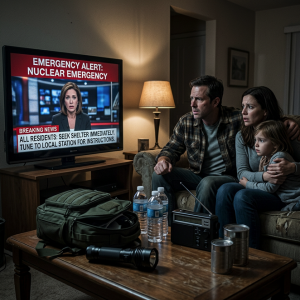
20 Essential Items for a Nuclear Emergency Go Bag
When people imagine nuclear emergencies or terrorist incidents, they often picture extreme scenarios. In reality, the first phase of most emergencies looks very similar regardless of the cause: infrastructure disruptions, limited information, and temporary loss of essential services.
Emergency management agencies frequently recommend preparing to be self-sufficient for at least 72 hours. During this period, power outages, transportation disruptions, and communication delays are common.
A properly prepared go bag provides stability during this critical window.
The goal is not extreme survivalism. The goal is maintaining access to water, food, medical supplies, information, and basic tools until normal services resume.
Water and Hydration
1. Emergency Drinking Water Pouches
Water is the single most important resource in any emergency. Dehydration can quickly reduce physical performance, cognitive function, and overall health.
Sealed emergency water pouches are commonly used because they have long shelf lives and do not require purification.
2. Water Storage Containers
Households should maintain a larger water reserve in addition to portable supplies. Stackable containers allow efficient storage without taking up excessive space.
3. Emergency Food Rations
Emergency ration bars provide high calorie density in compact form. They require no cooking or refrigeration and are designed for long shelf life.
4. Manual Can Opener
Canned food remains one of the most reliable emergency food sources. A simple manual opener ensures access even during power outages.
5. Electrolyte Hydration Mix
Electrolytes help the body maintain hydration and energy levels during physically demanding or stressful situations.
Communication and Power
6. Emergency Weather Radio
Reliable information is critical during emergencies. A weather radio provides access to official alerts and instructions when other communication systems fail.
7. Headlamp
Headlamps provide hands-free lighting, making them ideal for navigating dark environments or performing tasks during outages.
8. Flashlight
Redundant lighting sources reduce risk in damaged environments and help ensure visibility during power failures.
9. Backup Batteries
Radios and lights depend on power. Spare batteries ensure essential devices remain operational.
10. Portable Power Bank
Mobile phones provide communication, navigation, and emergency alerts. A power bank extends device usability during outages.
Medical Supplies
11. First Aid Kit
Minor injuries are common during emergencies. Immediate treatment prevents complications and reduces infection risk.
12. N95 Respirator Masks
N95 respirators filter airborne particles including dust, smoke, and debris.
13. Disposable Gloves
Gloves help maintain hygiene and reduce contamination risk when providing medical care.
14. Potassium Iodide Tablets
Potassium iodide can protect the thyroid from radioactive iodine exposure during nuclear incidents when used under official guidance.
Shelter and Sanitation
15. Emergency Thermal Blankets
Thermal blankets help retain body heat and prevent hypothermia in cold conditions.
16. Emergency Bivy
An emergency bivy provides insulation and shelter when sleeping conditions are compromised.
17. Hygiene Wipes
Maintaining hygiene helps prevent infections when water is limited.
18. Heavy Duty Trash Bags
Trash bags can serve multiple emergency functions including waterproof storage, sanitation, and temporary weather protection.
Tools
19. Multi-Tool
A multi-tool provides cutting, gripping, and repair functions useful in many unexpected situations.