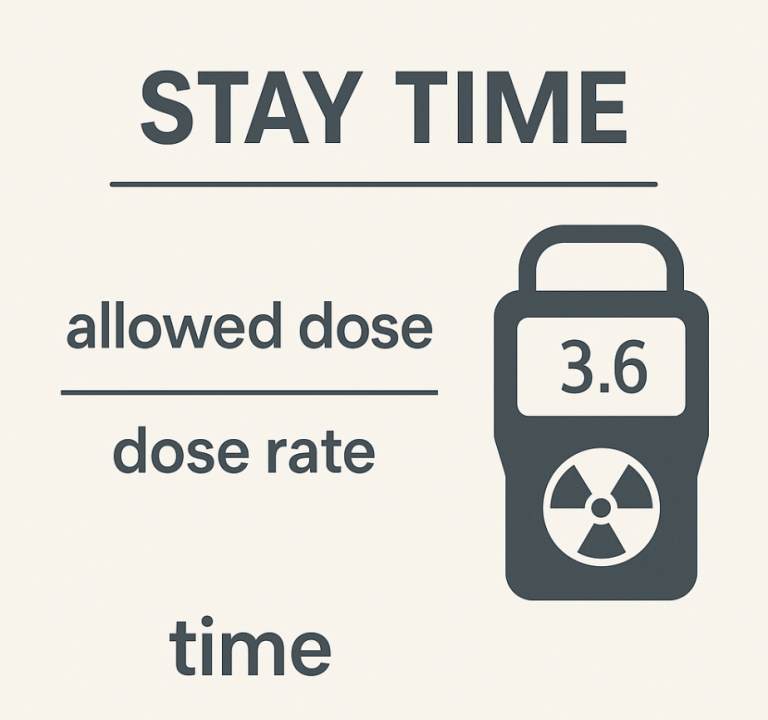
In any emergency, waiting is the hardest part. When you’ve been confined in a shelter for hours or days, every instinct tells you to get out, to breathe fresh air,...
When an emergency hits, the most dangerous instinct isn’t panic. It’s hesitation. People don’t freeze because they don’t care; they freeze because they don’t know what to do next. In...
When people imagine emergency communication failures, they usually picture a bad signal or a downed cell tower. In a nuclear event, the reality is more sudden and far more absolute....
There’s a reason every emergency kit — from FEMA stockpiles to the glove box of a $600 beater — somehow ends up containing a foil-looking rectangle the size of a...
Radiation is invisible, silent, and odorless. After a nuclear event, that invisibility becomes the enemy. People don’t fear radiation because it’s deadly — they fear it because they cannot measure...
Surviving nuclear fallout isn’t just about gear, supplies, or even shelter. It’s about time — specifically, knowing when radiation is most dangerous and when it becomes survivable. The most powerful...
Most people assume radiation passes through everything. Movies show a glowing green mist that eats through walls and melts cars. In reality, radiation isn’t magic — it follows physical rules....
Most people imagine nuclear danger as a single moment — the flash, the boom, the fireball. But surviving a nuclear event isn’t just about avoiding the blast. It’s about understanding...
When most people think of a nuclear explosion, they picture the flash, the fireball, and the mushroom cloud. That image — dramatic and terrifying — tends to overshadow the threat...