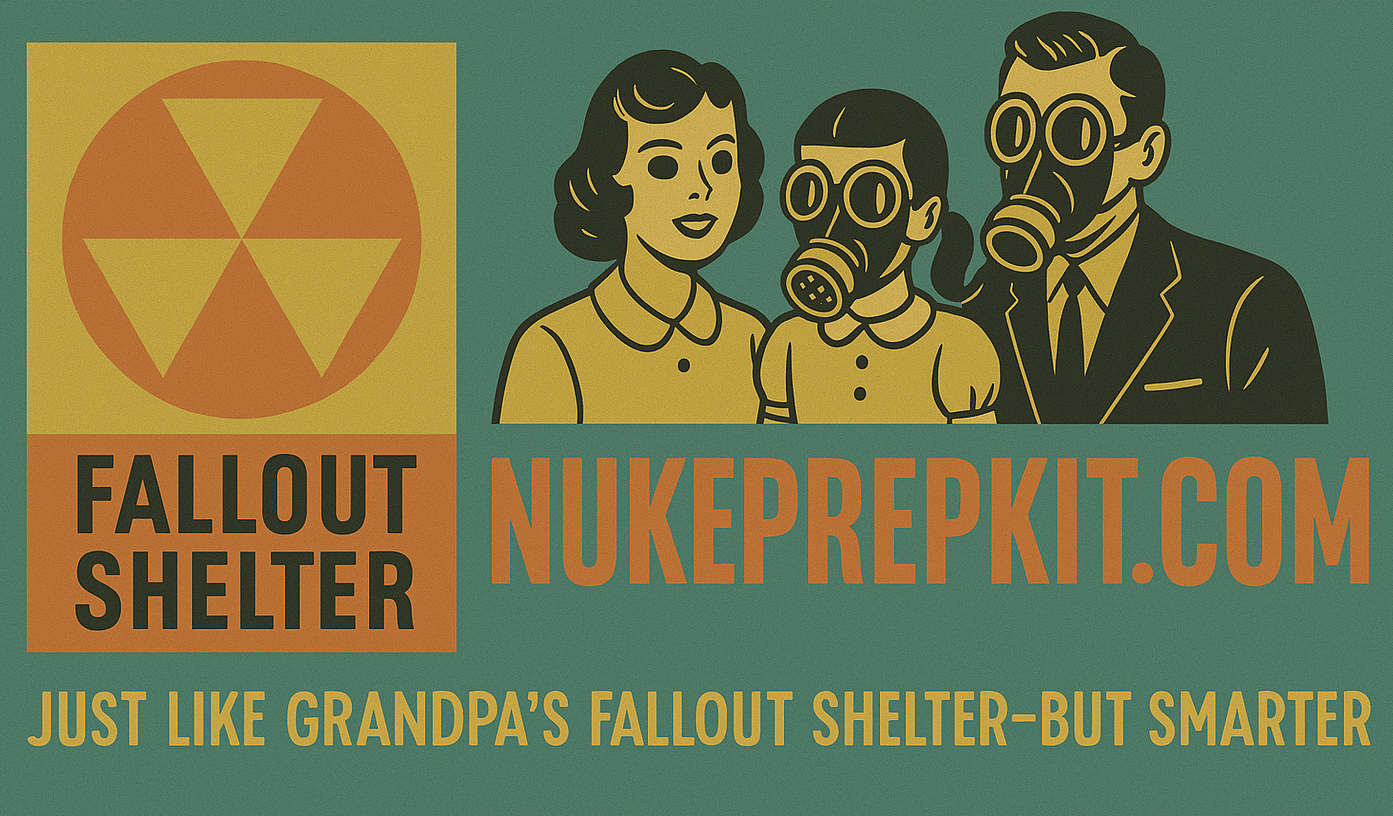
In the shadow of a nuclear event, survival isn’t just about concrete walls or canned food—it’s about the six inches between your ears. Your psychology. Your mindset. The battlefield begins in your mind long before it reaches your doorstep.
The Immediate Psychological Impact of a Nuclear Blast
In the first milliseconds after a nuclear detonation, the human brain confronts more sensory data than it’s evolved to handle. A flash brighter than the sun, a pressure wave collapsing windows, the roar of sound… and then, perhaps, silence. The average person does not react—they freeze.
This isn’t weakness. It’s biology. But untrained biology kills. The key is rehearsal—knowing what to expect, and how to push past shock to action.
Why Purpose Keeps You Alive
Studies from Hiroshima to modern war zones confirm a simple truth: people with a reason to live survive more often. Not because of luck. Because of mental override. When panic rises, purpose drowns it out. “I have to protect my kids.” “I need to get to the shelter.” “We prepared for this.”
Mental Drills for Nuclear Readiness
- Blackout Night: Simulate a grid-down event with your family. No phones. No lights. Just radios, pre-staged kits, and candlelight.
- Flash Rehearsal: Use visual prompts to mimic sudden light + audio stimuli. Train shelter-seeking muscle memory.
- Role Assignment: Everyone has a job. Even kids. Purpose reduces panic. “You grab the radio. I seal the door.”
Survivor’s Guilt and Post-Trauma Resilience
Living when others don’t carries a mental weight. But knowing you were prepared—knowing you didn’t freeze—can offset guilt with pride. A well-drilled mind is less likely to spiral into trauma-driven collapse.
Children, the Elderly, and Psychological Fragility
Children mirror adult emotions. Elderly survivors may withdraw quickly. Assign roles. Rehearse with gentleness. Give small wins and structure. Routine is psychological armor.
Conclusion: Train the Mind, Survive the Fire
In a nuclear crisis, the greatest weapon is not a bunker or iodine pill. It’s a calm, trained mind. A mind with purpose, with drills, with resilience. Your best defense is already inside you—if you build it now.