-
The Home Fallout Shelter: Turning Your Basement Into a Safe Zone
Most people think fallout shelters are concrete bunkers buried under farmland or steel doors hidden behind bookshelves. The reality is far less dramatic and far more achievable. A fallout shelter doesn’t need to be a secret underground complex. In many cases, the best shelter is already part of your house. It just needs to be…
-
Apartment Survival: Creating a Shelter When You Don’t Have a Basement
Preparedness advice often assumes everyone has a basement, a garage, or a sturdy brick home in the suburbs. But millions of Americans live in apartments, condos, and high-rises where “go to the basement” isn’t an option. If you fall into that category, the question becomes: how do you build a fallout shelter when you’re living…
-
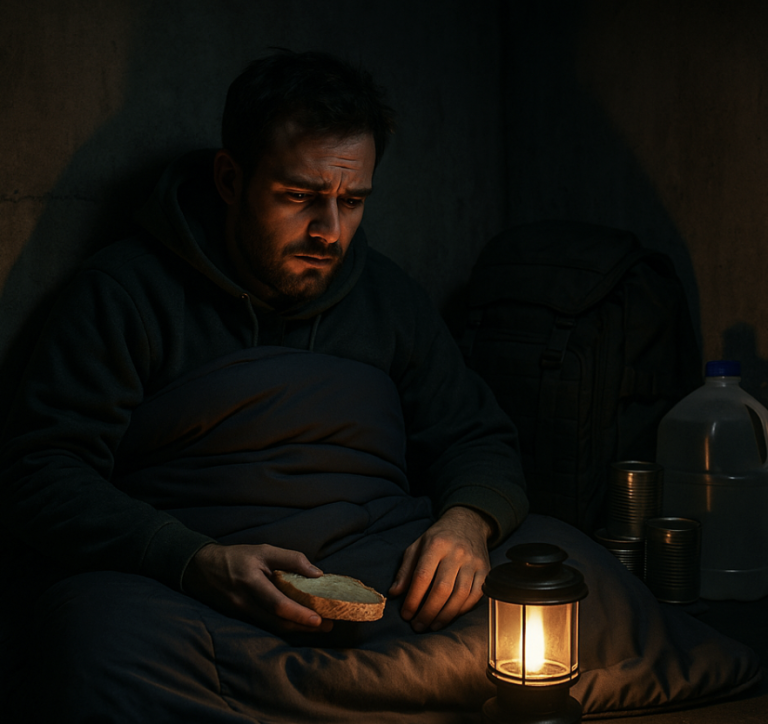
Keeping Morale Up While Sheltering: Comfort Is Survival
When people talk about emergency preparedness, the conversation usually revolves around food, water, and power. Hardly anyone talks about morale — the mental survival that keeps you sane while the world outside feels like it’s falling apart. Yet morale, more than almost anything else, determines whether people endure crises calmly or unravel under pressure. A…
-
Knowing When It’s Safe to Leave: The All-Clear Decision
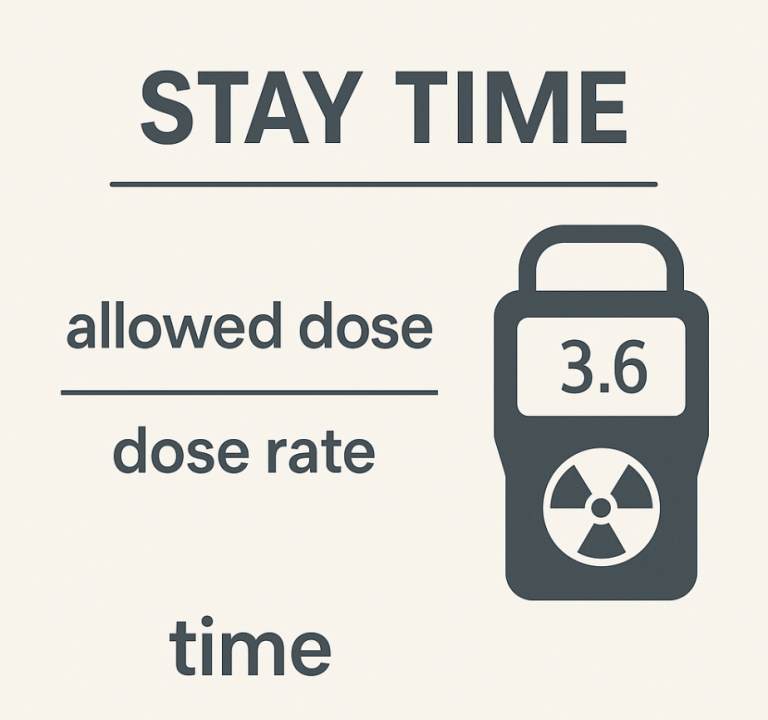
In any emergency, waiting is the hardest part. When you’ve been confined in a shelter for hours or days, every instinct tells you to get out, to breathe fresh air, to see the sun again. But when radiation is involved, timing is everything — and leaving too soon can turn survival into tragedy. The rule…
-
Safe Room Assignments: Who Does What When Seconds Matter
When an emergency hits, the most dangerous instinct isn’t panic. It’s hesitation. People don’t freeze because they don’t care; they freeze because they don’t know what to do next. In a nuclear event, the difference between motion and indecision isn’t measured in hours. It’s measured in exposure. Families that prepare for chaos ahead of time…
-
Create a Nuclear Communication Plan When Phones Don’t Work
When people imagine emergency communication failures, they usually picture a bad signal or a downed cell tower. In a nuclear event, the reality is more sudden and far more absolute. Cell networks saturate and crash. Power outages take out charging capability. Infrastructure doesn’t decay — it simply disappears. The moment after an alert goes out,…
-
The 5-Minute Grab Bag: What Every Family Member Should Have Ready
There’s a reason every emergency kit — from FEMA stockpiles to the glove box of a $600 beater — somehow ends up containing a foil-looking rectangle the size of a Pop-Tart. We call them space blankets, emergency blankets, Mylar sheets, survival foil — but whatever the name, these shiny, crinkly sheets are one of the…
-
Radiation Detection for Beginners: Geiger Counters, Dosimeters & Apps
Radiation is invisible, silent, and odorless. After a nuclear event, that invisibility becomes the enemy. People don’t fear radiation because it’s deadly — they fear it because they cannot measure it. They don’t know when it’s safe to move, when to stay sheltered, or which direction fallout is drifting. Radiation detection tools fix that. They…
-
The 7–10 Rule of Radiation Decay Explained in Plain English
Surviving nuclear fallout isn’t just about gear, supplies, or even shelter. It’s about time — specifically, knowing when radiation is most dangerous and when it becomes survivable. The most powerful tool you can have in a nuclear emergency isn’t a Geiger counter or a fallout shelter. It’s understanding a simple rule: The 7–10 Rule of…
-
What Everyday Items Can Block Radiation? (Tested vs. Useless Myths)
Most people assume radiation passes through everything. Movies show a glowing green mist that eats through walls and melts cars. In reality, radiation isn’t magic — it follows physical rules. And the most important rule is this: Mass stops radiation. Radiation particles lose energy the more material they have to travel through. That means the…