-
He Made a Discovery That Could Change Nuclear Survival Forever
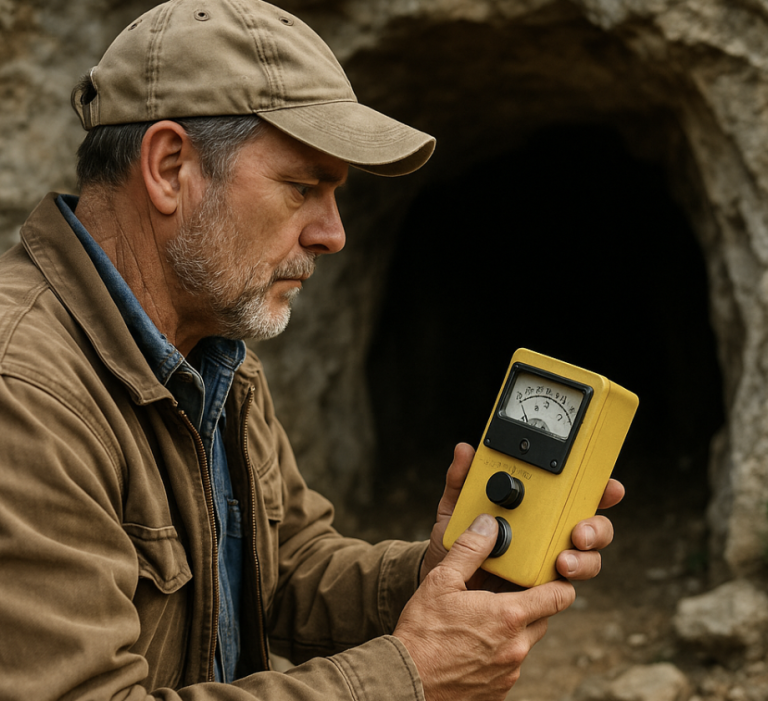
In a quiet corner of Wyoming—far from city lights, cell towers, and anyone who might roll their eyes—54-year-old prepper Eli Turner says he’s uncovered something that could “flip nuclear survival on its head.” And no, it’s not another DIY bunker trick or an off-grid generator made out of tractor parts. Eli swears he’s found a…
-
This Quiet Rancher Might Survive What You Won’t
In the rolling prairie just outside Rapid City, South Dakota, you’ll find the home of 47-year-old rancher and prepper, Mark Larson. When his neighbors are planning for the county fair and the high school football game, Mark is planning for something far darker. “We’re not hopeful that it’ll happen,” he told me, “but I’m not…
-
How to Prepare Kids Without Scaring Them
Kids read adults like weather. They don’t need to understand the headline to know when the forecast looks bad. When parents get tense, children don’t see seriousness — they feel danger. That’s why teaching kids emergency preparedness requires a different strategy than teaching adults. Adults respond to information; children respond to tone. The goal is…
-
Nuclear Evacuation Routes: Mapping Your Town in Advance
People assume evacuation equals safety. Movies teach us that as long as you’re driving away from the blast, everything will be fine. Reality works differently. After a nuclear detonation, fallout follows the wind, not the roads. The instinct to get in the car and flee can lead people directly into the highest concentration of radioactive…
-
The Real Nuclear Go-Bag: A Gear List That Actually Makes Sense
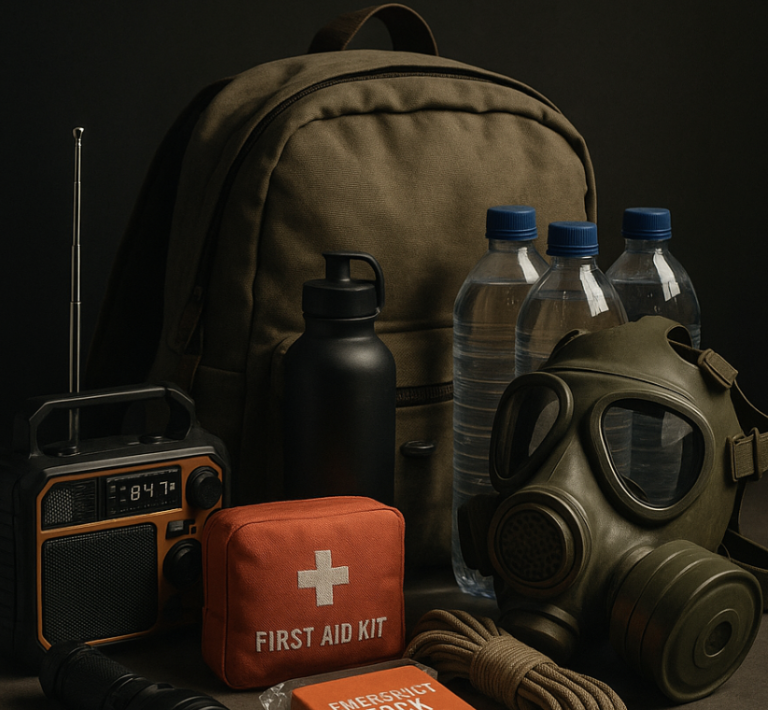
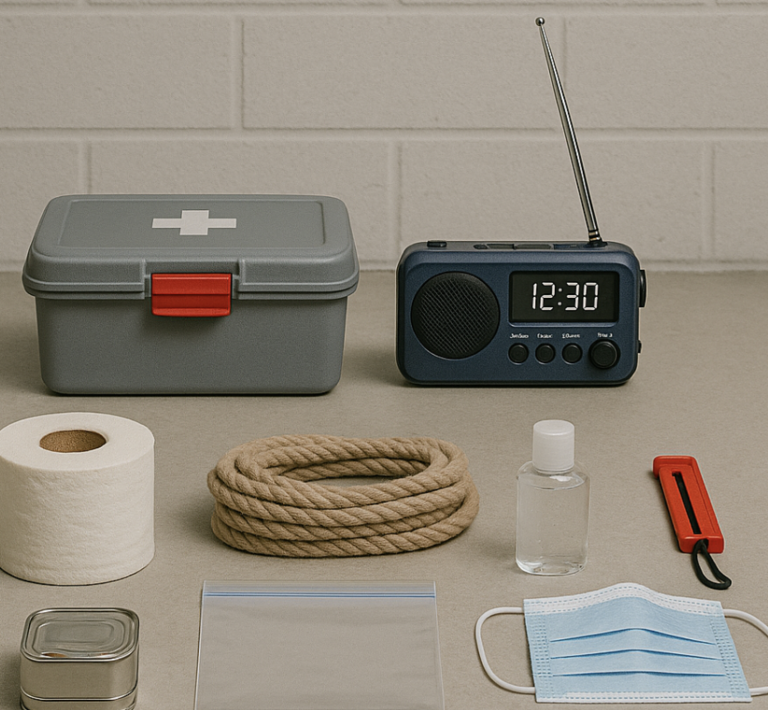
Most people imagine a go-bag the way they imagine winning the lottery: vague, distant, and probably unnecessary. They like the idea of being prepared, but when it comes to actually putting items in a bag, the plan stalls. A nuclear go-bag isn’t a hobby project or a YouTube flex. It’s a time machine. It exists…
-
Potassium Iodide vs. Potassium Iodate: Which One Should You Buy?
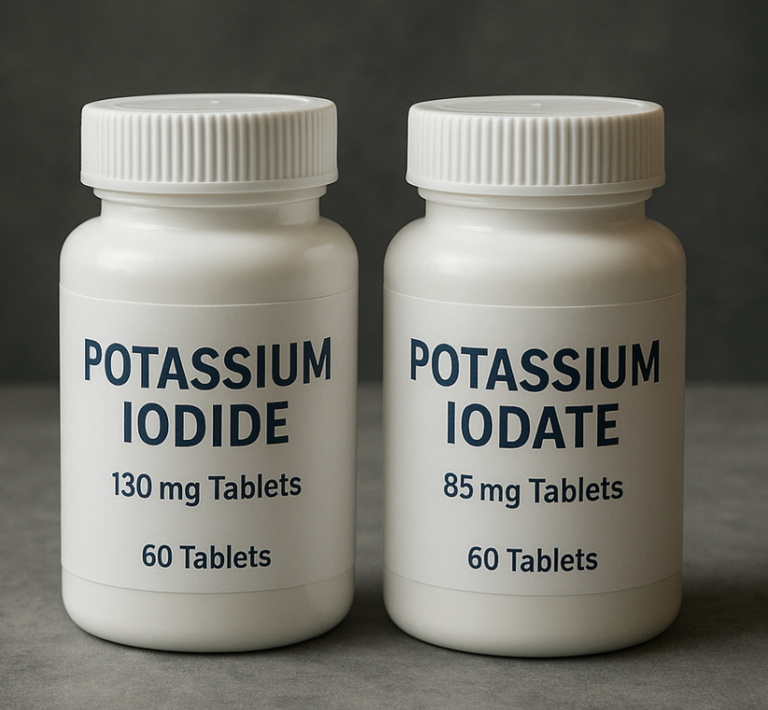
Potassium iodide and potassium iodate are two products that sound nearly identical. Both appear on nuclear preparedness lists. Both claim to protect your thyroid in a radiation emergency. Both are sold online with marketing that promises peace of mind. It’s no wonder people end up staring into the glow of a computer screen asking one…
-
Best Respirators for Fallout: N95 vs. P100 vs. Full-Face Masks
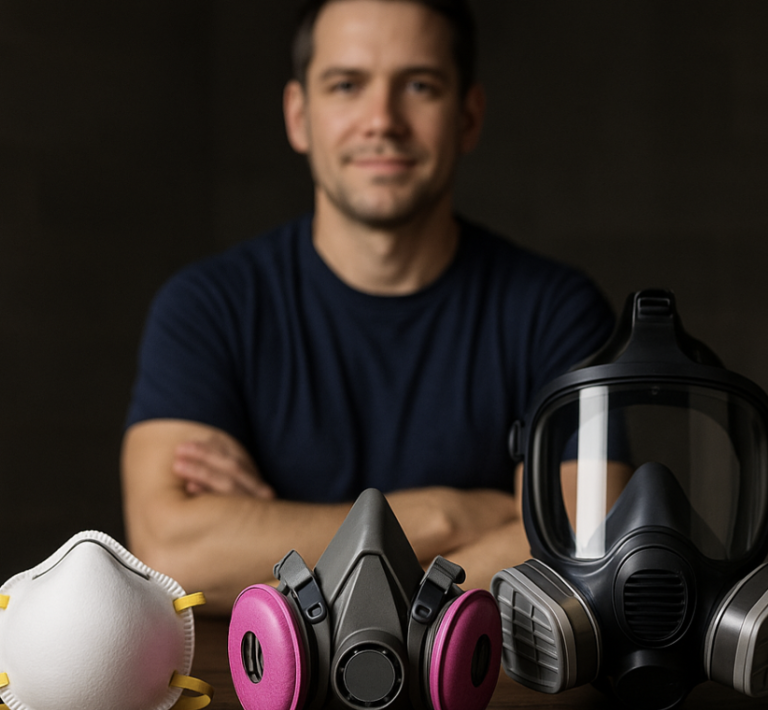
There’s a moment in every disaster movie when someone walks through smoke and ash wearing a flimsy paper mask. Hollywood loves the visual, but reality is far less forgiving. After a nuclear detonation, the most dangerous particles are invisible. Fallout doesn’t look like charcoal dust; it looks like ordinary dirt. You can inhale it without…
-
Top 10 Items Most Nuclear Beginners Forget to Pack
Preparedness feels empowering until you zip the go-bag and realize there’s something missing. Most people pack for what they imagine a disaster will look like. They pack food, water, a respirator, maybe some extra clothing. They cover the obvious. But a nuclear event doesn’t reward obvious thinking. It rewards thorough thinking. The danger with nuclear…
-
Budget vs. Premium: Building a Nuclear Kit at Any Price Point
Preparedness has a reputation for being expensive. Social media reinforces the idea that survival requires titanium tools, military-grade gear, and a garage stacked with custom tactical cases. That image sells products, but it doesn’t reflect reality. Preparedness isn’t about money. It’s about mindset. A nuclear kit can be built on a tight budget or with…
-
The ‘Mass Is Your Friend’ Rule: Shielding Using What You Already Own
When people hear the term nuclear fallout, they picture glowing clouds or cinematic mushroom plumes. The real danger is much smaller and far more ordinary. Fallout often looks like dirt. It behaves like dust. It rides the wind and drifts down onto rooftops, lawns, and sidewalks. Once it settles, the particles begin emitting radiation. The…