Most people imagine a go-bag the way they imagine winning the lottery: vague, distant, and probably unnecessary. They like the idea of being prepared, but when it comes to actually putting items in a bag, the plan stalls. A nuclear go-bag isn’t a hobby project or a YouTube flex. It’s a time machine. It exists to buy you the two things that disappear first in a crisis: time and certainty.
A nuclear go-bag has one job — get you to safety without wasting a second. In those first moments after a nuclear detonation, confusion can be deadly. Roads clog. Phones fail. People freeze. A go-bag doesn’t remove the fear, but it removes the hesitation. When you know that everything you need is already packed, decisions become simpler. Grab the bag. Execute the plan. Move.
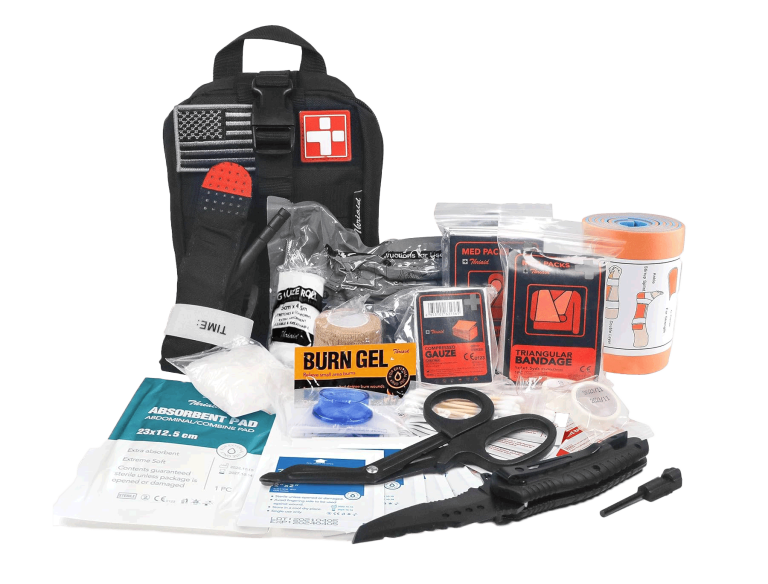
The biggest misconception is that a nuclear go-bag needs to be enormous or tactical. People picture military packs and gas masks dangling from straps. In reality, the best go-bag is the one you can carry when you’re scared and possibly injured. A bag that is too heavy becomes a burden. A bag that takes too long to pack isn’t a go-bag at all. It’s a maybe-bag.
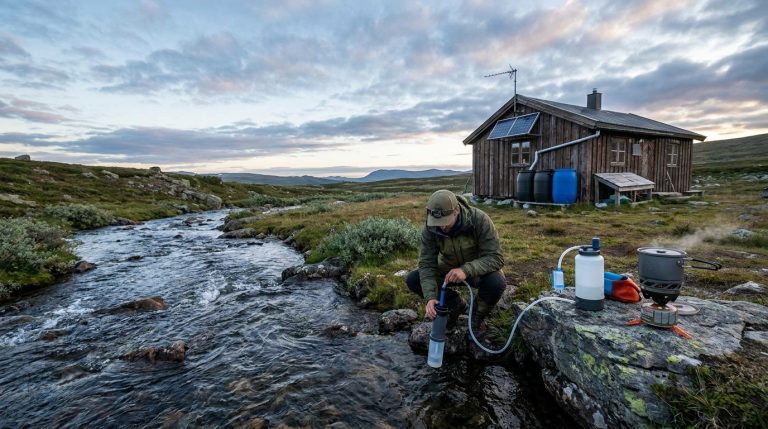
The items inside focus on one thing: minimizing exposure. Water bottles with built-in purification filters matter because you can’t rely on infrastructure. A compact respirator or even a P100 mask can reduce inhalation of contaminated particles. A lightweight rain poncho creates a barrier between your clothing and fallout dust. A battery-powered radio keeps you informed when the grid collapses. The most important item of all might be the simplest: a printed map. Phones are fragile. Paper is eternal.
Clothing choices matter. A go-bag should include a change of clothes — not because of comfort, but because of contamination. If fallout lands on your clothing, you want something clean to change into once you reach shelter. The act of changing removes radiation from your body faster than most equipment. A simple trash bag becomes a disposal container for contaminated clothing. Throwing away a shirt becomes a step toward survival.
Potassium iodide tablets are another tool that many people misunderstand. They’re not magic. They don’t block radiation. They protect your thyroid from absorbing radioactive iodine, which reduces long-term cancer risk. They’re a shield, not armor. The go-bag exists to get you out of danger. Potassium iodide exists to protect you from the danger that lingers.
One of the most overlooked components of a go-bag is documentation. Copies of IDs, prescriptions, emergency contacts, and rally point addresses should be in a waterproof pouch. In the chaos of evacuation, your brain will not remember addresses. Your bag will.
The true value of the go-bag isn’t the objects inside it — it’s the clarity it gives you. When the alert hits, you’re not sprinting through a house grabbing random items. You’re not arguing about what to take. Your bag is ready. You pick it up. You leave. That single action can reduce the time between “confusion” and “decision” from minutes to seconds. In a nuclear emergency, seconds matter.
A go-bag isn’t about fear. It’s about freedom. It gives you the ability to act instead of react. Preparedness doesn’t mean expecting the worst. It means being capable during your worst day. You don’t build a go-bag for the world you have. You build it for the moment everything changes.
Survival doesn’t reward the strongest. It rewards the fastest to move with purpose. When the time comes, a prepared person doesn’t wonder what to do next. They reach for the bag they packed long before panic had a chance to speak.