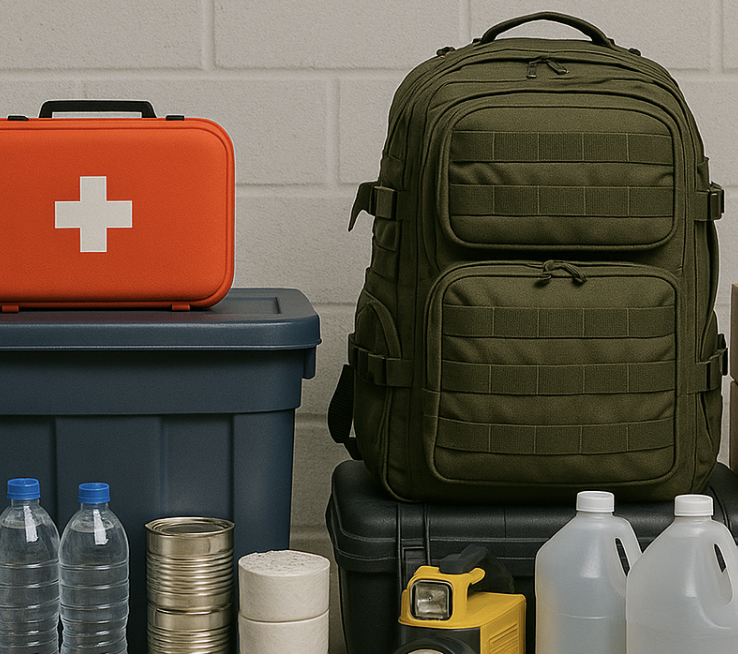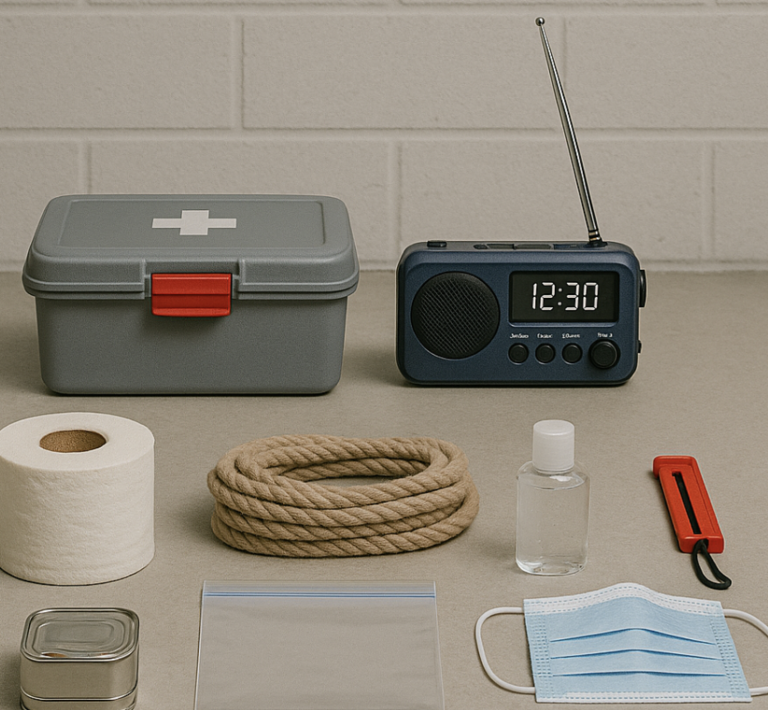
Preparedness feels empowering until you zip the go-bag and realize there’s something missing. Most people pack for what they imagine a disaster will look like. They pack food, water, a...
Preparedness has a reputation for being expensive. Social media reinforces the idea that survival requires titanium tools, military-grade gear, and a garage stacked with custom tactical cases. That image sells...
When people hear the term nuclear fallout, they picture glowing clouds or cinematic mushroom plumes. The real danger is much smaller and far more ordinary. Fallout often looks like dirt....
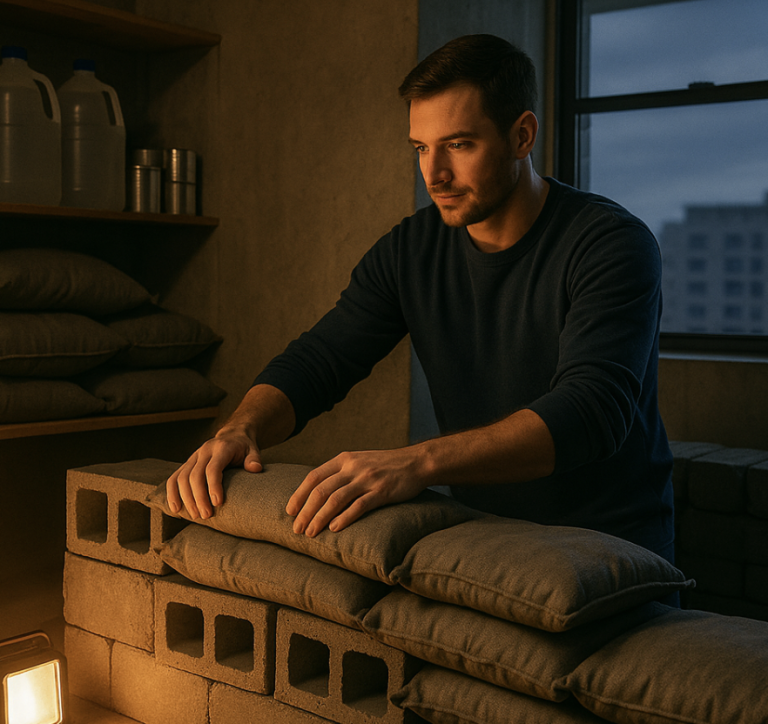
Most people think fallout shelters are concrete bunkers buried under farmland or steel doors hidden behind bookshelves. The reality is far less dramatic and far more achievable. A fallout shelter...
Preparedness advice often assumes everyone has a basement, a garage, or a sturdy brick home in the suburbs. But millions of Americans live in apartments, condos, and high-rises where “go...
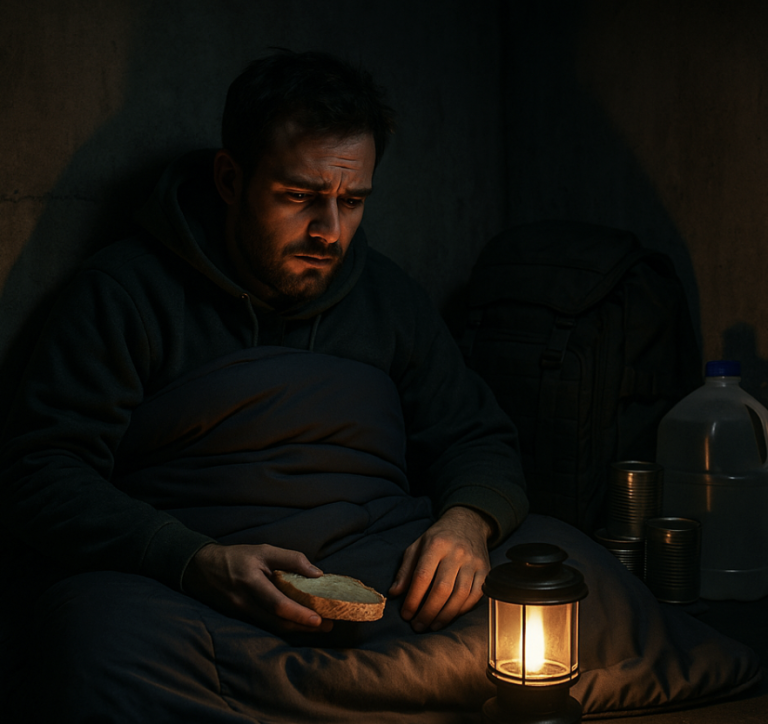
When people talk about emergency preparedness, the conversation usually revolves around food, water, and power. Hardly anyone talks about morale — the mental survival that keeps you sane while the...
In any emergency, waiting is the hardest part. When you’ve been confined in a shelter for hours or days, every instinct tells you to get out, to breathe fresh air,...
When an emergency hits, the most dangerous instinct isn’t panic. It’s hesitation. People don’t freeze because they don’t care; they freeze because they don’t know what to do next. In...
When people imagine emergency communication failures, they usually picture a bad signal or a downed cell tower. In a nuclear event, the reality is more sudden and far more absolute....
There’s a reason every emergency kit — from FEMA stockpiles to the glove box of a $600 beater — somehow ends up containing a foil-looking rectangle the size of a...