One of the hardest decisions anyone could face in a nuclear crisis is whether to stay put or try to leave. It’s the kind of choice that carries weight because it isn’t abstract—your safety, your family’s safety, and your entire sense of direction depend on getting it right. And the truth is, most people have never really thought about it in a serious, practical way. They imagine they’ll “just know” what to do if the time ever comes. But clarity doesn’t show up automatically during a crisis. It comes from understanding the conditions ahead of time.
The first thing to understand is that evacuating after a detonation is rarely the right first move. The instinct to get in the car and drive away is strong—people want distance, space, and control. But in a nuclear event, roads will clog instantly. Emergency vehicles need those same roads. And the biggest danger, fallout, moves faster than traffic ever could. Fallout is carried by the wind, and depending on distance, it may start drifting down within ten to twenty minutes. That means anyone stuck outside or trapped in a car is exposed precisely when they need protection the most.
Because of that, sheltering in place is usually the safest immediate action. Your first priority is reducing radiation exposure quickly, and the fastest way to do that is by getting inside the closest solid structure you can reach. It doesn’t need to be perfect. It doesn’t need to be a bunker. It just needs walls, roof, and as much mass as possible between you and the outside. Once you’re indoors, you can start improving the situation—moving to an inner room, shutting doors, covering vents, and creating as much shielding as possible around you and your family.
But sheltering in place isn’t the entire story. There are situations where evacuation is not only the right choice but the necessary one. The question is when. And for that, timing and information are everything.
If you live close enough to a military base, major city center, or strategic site that you see the flash or feel the blast wave directly, your decision is already made for you: take cover immediately. But once the initial danger passes and fallout levels stabilize—usually after 24 to 48 hours—there may be an opportunity to move. Radiation levels fall rapidly in those first hours because the most dangerous particles decay fast. That means the window for evacuation, when it comes, isn’t right after the explosion. It’s after the worst of the fallout has settled and the outside environment has reached safer short-term levels.
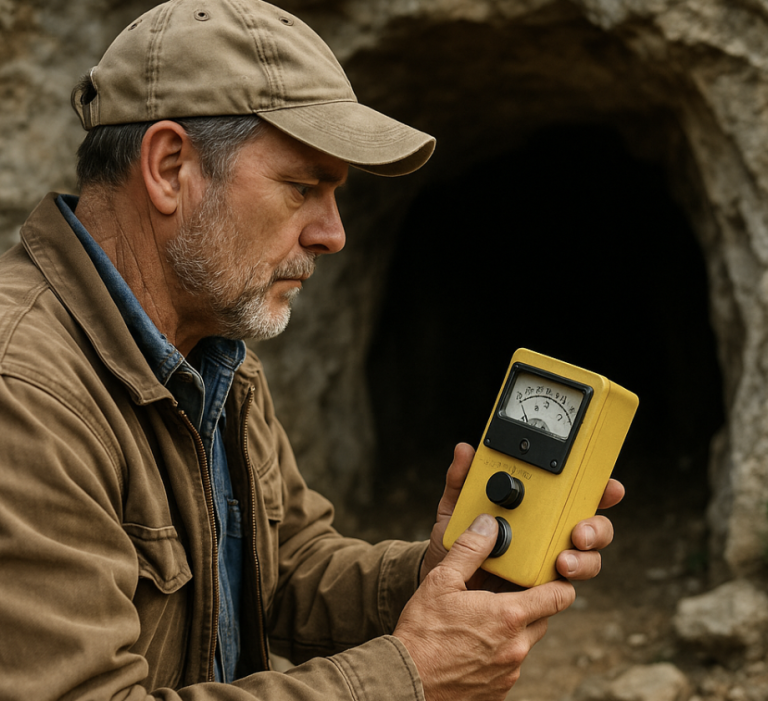
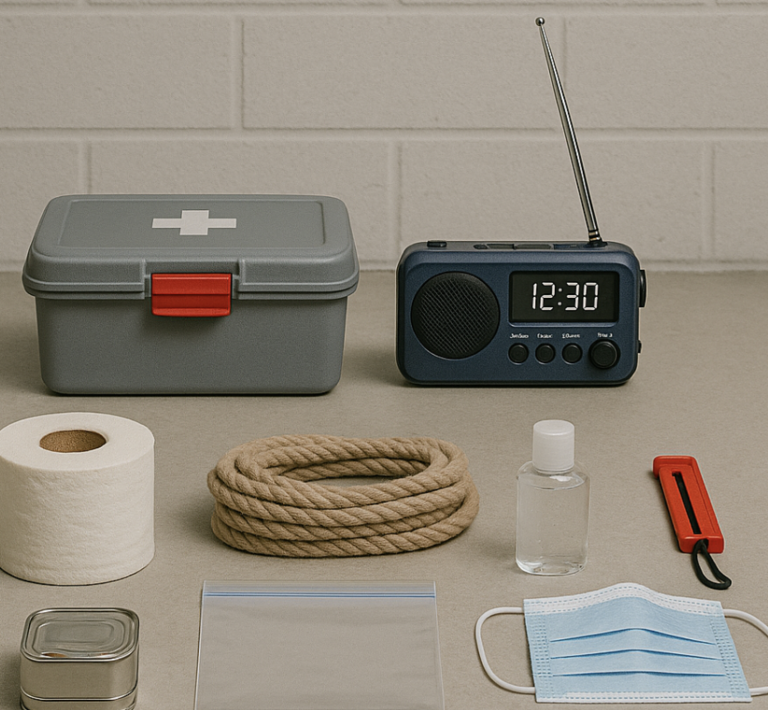
The best time to evacuate is after you’ve gathered reliable information. A battery-powered emergency radio becomes your lifeline. Officials will broadcast wind direction, fallout patterns, and safer routes out of the impacted region. Evacuation at that point is organized—not panicked. You have direction and you have data. That is the kind of movement that protects you instead of exposing you.
Another time when evacuation becomes the right choice is when your shelter simply isn’t viable—structural damage, fire hazards, or unsafe conditions inside the building. If staying put puts you in more danger than moving does, then relocation becomes the safer option. But even then, it should be deliberate and quick, with a plan in place and supplies ready to go.
The core idea is simple: you shelter during danger, and you evacuate during opportunity. The problem is that in the moment, those two things feel the same. Everything feels urgent. Everything feels immediate. But decisions in a nuclear crisis are not about reacting to fear—they’re about responding to conditions.
If you prepare ahead of time, you won’t have to guess. You’ll know that sheltering is your first line of defense. You’ll know that evacuation comes later, when the environment allows it. And you’ll know that the right choice isn’t based on instinct—it’s based on timing, information, and the plan you put in place long before you ever needed it.